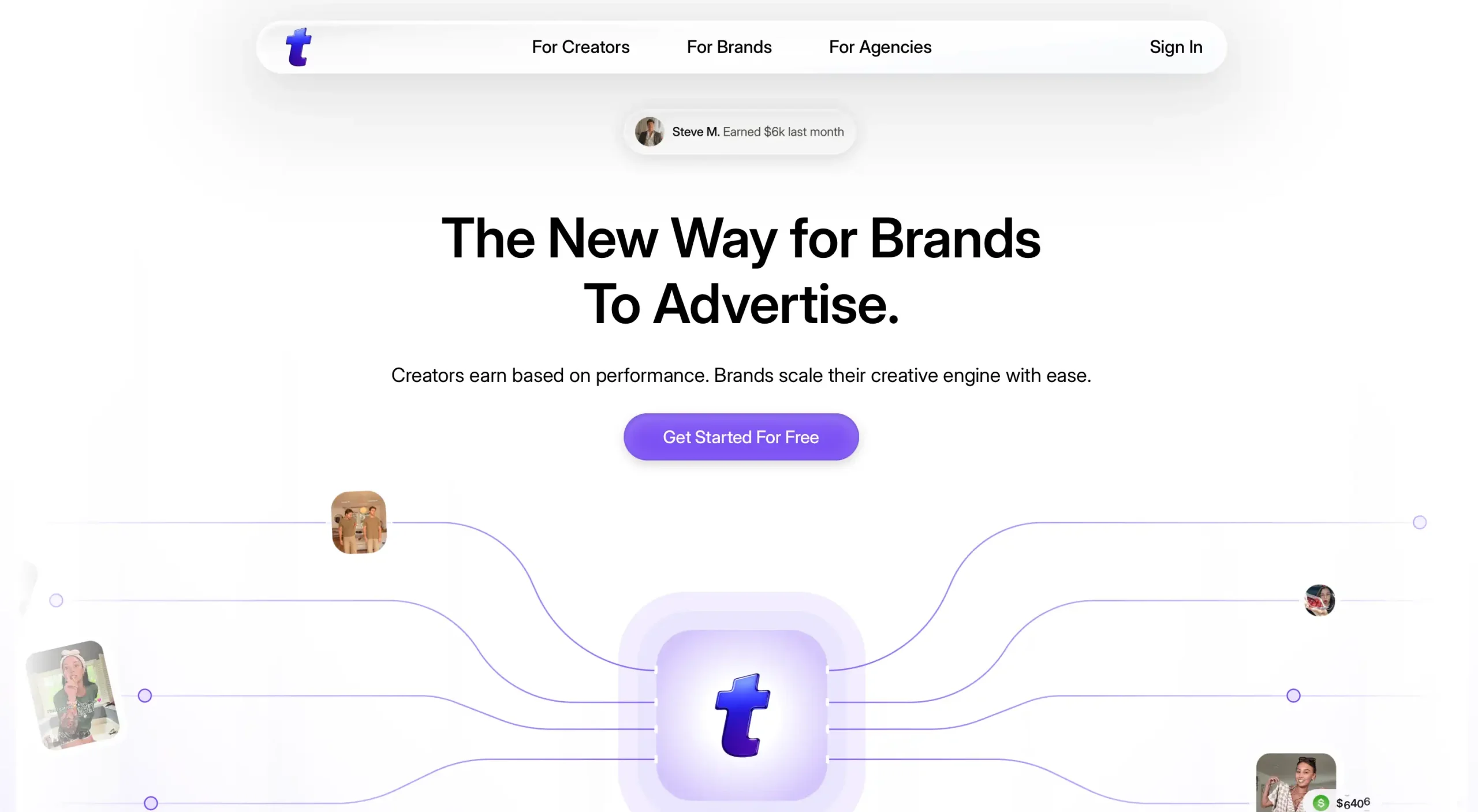
If you have ever posted a video that got a pile of likes and paid you exactly nothing, you already understand why Trybe exists. Trybe is a platform that connects creators with brands and pays them based on real results, like orders and ad performance, instead of views, likes, or follower counts.
That sounds like a small change. It is actually a big shift in how brands spend money on creators, and it opens a door for beginners who never thought they had enough followers to earn from content. Let’s break down what Trybe is, why this model showed up, and whether it makes sense as your next side hustle.
What Is Trybe, in Plain English?
Trybe is a performance based UGC platform. UGC stands for user generated content, which is the casual, filmed on a phone style of video you see all over TikTok and Instagram. Think unboxings, honest reviews, “here’s why I switched” clips, and quick product demos.
Here is how it works at a high level:
- Creators join brand programs. You browse brands on Trybe and join their creator program.
- You make and submit content. Brands share briefs, and you film videos featuring their product. Some brands send product samples.
- Brands turn the best videos into ads. Approved videos get launched as paid ads on Meta (Facebook and Instagram).
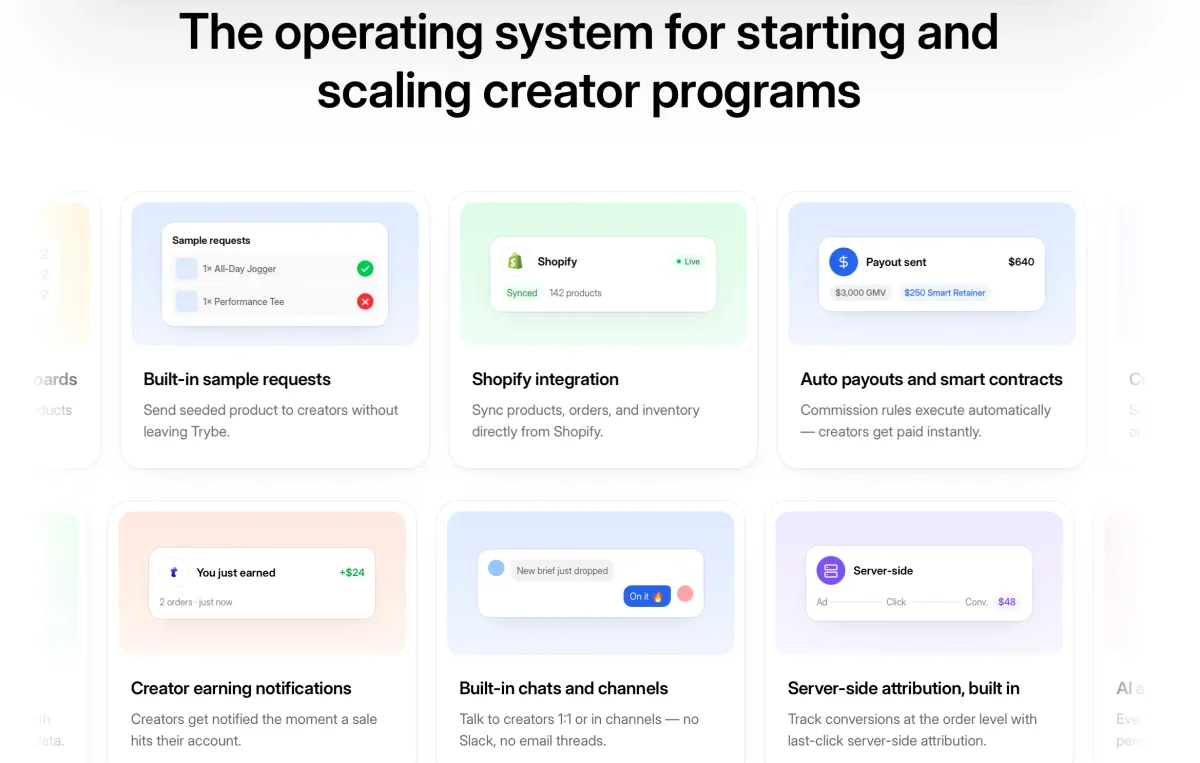
- You get paid on performance. When your video drives sales or performs well as an ad, you earn, and Trybe handles the payout automatically.
Trybe describes itself as being like TikTok Shop for UGC ads. Brands shown on the platform include names like Cuts Clothing, Sand Cloud, BYLT Basics, and Cal AI.
Why Brands Stopped Paying for Likes

This is the interesting part. Paying creators on orders did not come from nowhere. It came from a few results that surprised a lot of brands and forced a change in approach.
Likes Did Not Equal Sales
For years, influencer marketing was about reach. Brands paid people with big audiences for a post and hoped it worked. The problem? A video could rack up thousands of likes and sell almost nothing. Brands were paying for attention when what they really needed was customers.
Ordinary Videos Often Beat Polished Ads
Many brands found that a simple, honest phone video from a regular person felt more trustworthy than a slick studio ad. Shoppers scroll past things that look like ads. They stop for things that look like a real recommendation. That made everyday creators suddenly valuable, even with tiny followings.
Brands Started Putting Ad Money Behind Creators
Here is the key piece most beginners miss. Through something called whitelisting (Meta calls these Partnership Ads), a brand can run your video as a paid ad, often showing your name or handle. The brand pays to show it to thousands of people. That means your video’s reach comes from the brand’s ad budget, not just your own followers.
Once that clicked, the old model stopped making sense. If the brand is buying the audience, follower count matters much less. What matters is whether your video convinces people to buy.
Flat Fees Created a Mismatch
In traditional UGC gigs, a creator gets a set fee per video, no matter what happens next. If that video becomes a top selling ad that runs for months, the creator never sees another cent. If it flops, the brand eats the loss. Performance pay fixes both sides: brands risk less up front, and creators share in the upside when a video wins.
Put those together and you get the reason behind the title of this post: a platform paying creators on orders, not likes.
How Creators Actually Get Paid on Trybe
Each brand chooses how to structure its program, so pay varies. Common setups include:
- Sales commissions: a percentage of sales, or a set amount per order your content drives.
- Ad performance commissions: earnings tied to how your video performs as a paid ad.
- Flat payments: per submission fees, bonuses, or one time payments.
- Smart retainers: a base amount combined with commission, so you get some guaranteed pay plus upside.
Trybe tracks sales back to the specific creator and video using built in attribution, and payouts run through Stripe in over 170 countries. Creators even get a notification the moment a sale hits their account.
For a sense of what is possible, Trybe’s homepage highlights creators with eye catching numbers, including one showing over 1,300 orders in a single week from one ad. Treat those as top performer examples, not typical results. Most beginners will start much smaller, and that is completely normal.
Why This Matters for Side Hustle Beginners
- You do not need a big following. Since brands pay to push winning videos, your audience size matters far less than your ability to make a convincing video.
- One good video can keep earning. A strong video can keep paying you for as long as the brand runs it as an ad.
- You build a valuable skill. Making content that sells is a form of direct response marketing, a skill brands pay well for everywhere.
- Low startup cost. A phone, decent lighting, and clear audio are enough to begin.
The Honest Downsides
- Income is not guaranteed. With pure commission, a video that does not sell may earn little or nothing.
- Results are uneven. A few winning videos usually make most of the money. Expect plenty of misses along the way.
- You depend on the brand. If a brand pauses its ad spend, earnings from that video can slow down or stop.
- It takes practice. Your first videos will probably not be your best, and that is fine.
Beginner tip: when you can, look for programs that offer a retainer or per submission fee on top of commission. That gives you a guaranteed floor while you learn what works.
How to Get Started on Trybe as a Beginner
- Study ads that sell. Spend an hour scrolling Instagram and TikTok ads in a niche you like. Notice the first three seconds, the problem being solved, and the call to action.
- Pick products you would actually use. Honest enthusiasm is easier to film and far more convincing on camera.
- Sign up and join a few programs. Start with brands that fit your life, like fitness, skincare, apparel, or apps.
- Follow the brief closely. Brands can approve, request revisions, or reject submissions. Clean videos that match the brief get approved faster.
- Make multiple versions. Try different hooks and angles. One small change in your opening line can be the difference between a flop and a winner.
- Watch your numbers and repeat what works. When a video earns, figure out why and do more of that.
A Quick Reality Check on Money
Treat early Trybe earnings as bonus income, not a paycheck replacement. Track everything you earn, because creator income is generally treated as self employment income and may need to be reported at tax time. A simple spreadsheet from day one will save you headaches later. If you are unsure, a quick chat with a tax professional is worth it.
The Trybe Begins
Trybe exists because brands learned an expensive lesson: likes do not pay the bills, orders do. By pairing everyday creators with brand ad budgets and paying on results, Trybe opens a side hustle path where your ability to sell matters more than your follower count.
If you are willing to practice, test, and learn what makes people buy, this model rewards you for getting better. Start small, keep your expectations realistic, and let your best videos do the heavy lifting.